How Does Modern Orthodontic Treatment in Johns Creek Work?
Roughly half of all people have misaligned teeth significant enough to benefit from orthodontic care. Yet most of them have no real picture of what treatment actually involves beyond the vague memory of metal braces from middle school. The process has changed considerably. Diagnosis is sharper, options are more varied, and the experience for the patient is meaningfully more comfortable than it was even ten years ago. If you’re weighing orthodontic care in the Johns Creek area, understanding the full arc of treatment helps you ask better questions and set realistic expectations. Here’s how it works, from the first scan to the final retainer.
The Consultation: Where Treatment Really Starts
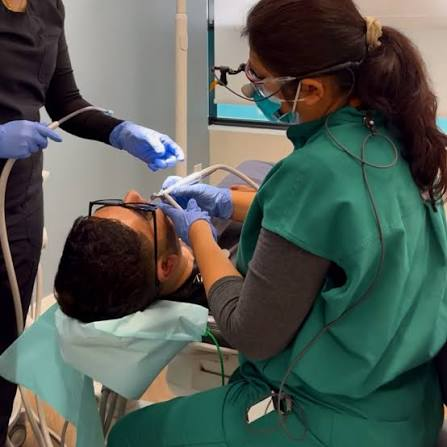
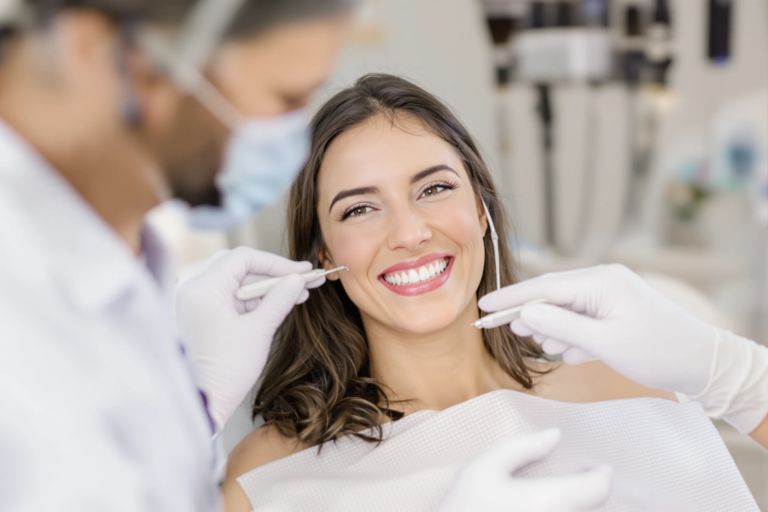
The first appointment is not a formality. It sets the direction for everything that follows. A modern orthodontic consultation in Johns Creek involves a full clinical exam, a review of your dental and medical history, and, increasingly, digital imaging that gives the provider a three-dimensional picture of your bite and jaw structure before any treatment plan is drafted.
Many practices in the area now offer 3D Cone Beam X-rays, a significant step up from traditional flat radiographs. CBCT has been applied for orthodontic diagnosis and the treatment planning of three-dimensional craniofacial skeletal abnormalities, impacted teeth, and virtual simulation of orthognathic surgery. That level of detail at the diagnostic stage means fewer surprises once treatment begins. It also makes treatment planning more precise for complex cases, not just minor crowding.
The consultation is also where you discuss goals. Some patients arrive focused entirely on aesthetics. Others have functional complaints, jaw discomfort, difficulty chewing, or worn enamel from a bad bite. Both are valid starting points, and the best treatment plans account for both.
Choosing the Right Appliance: Braces vs. Clear Aligners
This is the decision most patients fixate on, and it deserves a straightforward look at what the research actually shows. Traditional metal braces use brackets bonded to the teeth and connected by an archwire that the orthodontist adjusts over time. They remain the most effective tool for complex movements, including significant rotations, vertical corrections, and large arch expansions. Clear aligners, a category that includes products like Spark aligners, are a series of custom-molded trays worn over the teeth and swapped out every one to two weeks. They’re removable, nearly invisible, and increasingly capable.
The clinical picture is nuanced. After 12 months of treatment, clear aligners showed a 75% reduction in the PAR index, while conventional braces showed an 80% reduction; the average treatment duration was 14.5 months for clear aligners and 16.2 months for braces. So braces tend to produce slightly more precise tooth movement on average, but clear aligners often finish faster. Patient experience differs more sharply. A cross-sectional survey of 200 patients found that those treated with clear aligners had more positive attitudes toward comfort and aesthetics and greater overall satisfaction, with satisfaction rates of 92% for clear aligners versus 76% for braces.
The right call depends on the complexity of your case. Clear aligners are ideal for mild-to-moderate crowding, spacing, and many bite corrections. Braces handle cases that require precise torque control and more dramatic movement. A qualified orthodontist should walk you through both options with your specific scans in front of them, not a generic recommendation.
“The choice of treatment should be personalized, taking into account the severity of the malocclusion and the patient’s specific needs.”, from a 2024 patient-reported outcomes study published in the Journal of Pharmacy and Bioallied Sciences. For patients in the area exploring both paths, Johns Creek Orthodontics at Brookhaven Orthodontics offers metal braces, clear braces, and Spark clear aligners with treatment plans built around each patient’s actual tooth structure and goals.
Who Gets Orthodontic Treatment Today
The patient population has shifted. Braces used to mean a seventh grader with rubber bands in school colors. That’s no longer the full picture. With one in three orthodontic patients over the age of 18, the number of adults seeing an orthodontist is at an all-time high, according to the American Association of Orthodontists. From clear aligners to specialized braces, today’s orthodontic options are designed to fit the professional adult life.
This matters for how practices structure their care. Adults bring different concerns than kids: they want minimal visibility during treatment, they have tighter schedules, and they’re often managing existing dental work like crowns or implants that need to be factored into the plan. The best Johns Creek providers build treatment around those realities, not a one-size protocol designed for an 11-year-old.
Kids and teens still make up the majority of patients, and early evaluation continues to matter. The American Association of Orthodontists recommends a first orthodontic screening no later than age 7. That doesn’t mean treatment starts at 7, but it gives an orthodontist the chance to spot developing issues early enough to address them with lighter intervention, sometimes preventing more complex work later.
You can read more about adult orthodontic trends and how AAO specialists approach personalized treatment planning at any age at aaoinfo.org, where the American Association of Orthodontists reports that one in three current orthodontic patients is an adult.
What the Active Treatment Phase Looks Like
Once you start treatment, the rhythm is predictable. With braces, you’re in the chair every 6 to 8 weeks for adjustments. With clear aligners, you’re swapping trays at home every 1 to 2 weeks and checking in with your provider less frequently, though the visits still matter for monitoring progress and making any mid-course corrections.
Modern digital workflows make those corrections faster. Traditional methods of taking dental impressions, which often involved uncomfortable, messy molds, are being replaced by precise, high-resolution digital scans that provide detailed 3D images of a patient’s teeth and jaw, allowing for more accurate diagnoses and treatment planning. That means your provider can catch a tooth that’s not tracking as expected and adjust the plan without waiting months to find out.
Duration varies. Most comprehensive treatments run 12 to 24 months depending on complexity, compliance, and the type of appliance. Wearing aligners for fewer than 20 to 22 hours a day is the fastest way to extend that timeline, so if you go the aligner route, wear them consistently.
A Quick Comparison: What to Expect from Each Option
| Factor | Metal Braces | Clear Aligners |
| Visibility | Noticeable | Nearly invisible |
| Removability | Fixed (non-removable) | Removable for meals and hygiene |
| Avg. treatment time | ~16.2 months (moderate cases) | ~14.5 months (moderate cases) |
| Best for | Complex rotations, severe crowding | Mild-to-moderate cases, aesthetics-focused patients |
| Patient satisfaction | 76% (survey of 200 patients) | 92% (same survey) |
| Office visits | Every 6 to 8 weeks | Less frequent; tray swaps at home |
Sources: PMC comparative study, 2025; patient satisfaction survey, PMC, 2025.
Retention: The Step Most People Underestimate
Treatment doesn’t end when the braces come off, or the last aligner tray is complete. Retention is the phase that protects everything you just spent 12 to 24 months achieving. Teeth have a natural tendency to drift back toward their original positions, particularly in the first year after treatment ends.
Retainers, whether fixed behind the teeth or removable, are what hold the result. Most orthodontists recommend wearing removable retainers every night indefinitely. That’s not a sales pitch; it reflects how teeth actually behave over time. Skipping retainer wear is the most common reason adults end up back in orthodontic treatment in their 30s and 40s for a second round that could have been avoided. Wear the retainer.
How to Move Forward If You’re Ready
Getting started is simpler than most people expect. Here’s the practical sequence:
- Schedule a consultation. Most practices, including those in Johns Creek, offer complimentary first visits. Bring any recent dental X-rays you have.
- Ask to see your 3D imaging during the appointment. A good provider shows you the scans and explains what they see, not just what they recommend.
- Get a written treatment plan with estimated duration and cost before committing. Ask about payment plans, flex spending eligibility, and what happens if your treatment needs adjustment mid-course.
- Confirm the orthodontist’s credentials. Board-certified orthodontists complete two to three years of specialty training beyond dental school. That distinction matters for complex cases.
Modern orthodontic treatment in Johns Creek offers more options, more precision, and more transparency than the field offered even a decade ago. The technology has caught up to patient expectations. The only real barrier left is making the appointment.