Uncovering Hidden Equipment Issues With Infrared Thermography
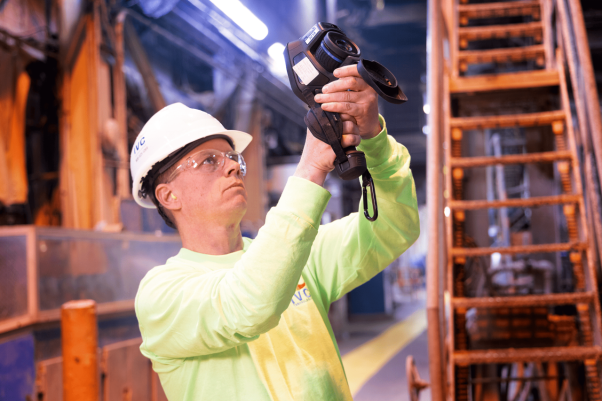
Equipment failures may lead to operational downtime, higher maintenance costs, and unnecessary safety hazards. Conventional inspection techniques normally detect any problem once it has caused obvious damage, and there is very little time left for preventive measures. Infrared (IR) thermography offers an innovative technique to spot unusual thermal conditions that indicate potential problems and take measures accordingly. Thermal imaging helps maintenance personnel to examine equipment while it operates in regular conditions. The points discussed below highlight the importance of thermal imaging in spotting hidden defects and making maintenance decisions.
Detecting Early Signs of Electrical Faults
Heat is produced naturally by the operations of an electrical system, but high temperatures point to several potential issues. Electrical systems suffering from loose connections, overloaded circuits, insulation deterioration, and unequal loads will produce hot spots in hard-to-spot areas of the circuitry. IR thermography is capable of spotting temperature differentials with a great deal of accuracy.
Proper diagnostics at an early stage reduce the risk of unscheduled downtime as well as the risks of electrical fires and expensive equipment failure. The maintenance team will be able to make decisions concerning which repairs to undertake first based on their relative urgency rather than the need for routine replacement.
Identifying Mechanical Wear Before Failure
The mechanical parts become faulty because of friction, misalignment, lack of lubrication, or worn-out bearings. Such causes create unnecessary heat before there are signs of any problems. Infrared imaging detects the rise in temperature, thus allowing the technicians to detect mechanical wear at an early stage.
In this way, predictive maintenance becomes easier since there will be tangible proof of the condition of the machines. Instead of being surprised by unforeseen breakdowns, companies will be able to plan for maintenance during scheduled times. This means saving on repair costs, increased productivity, and minimal interruptions in manufacturing industries, office complexes, and industrial plants. Early detection will also prevent minor problems from escalating into major ones.
Visualizing and Verifying Thermal Performance
Beyond the detection of faults, IR thermography provides a visual depiction of temperatures in the equipment or system under analysis. Thermal imaging makes inspection easier since it enables the detection of heat patterns that cannot be easily detected by conventional visual inspection. This visual information can be used to determine whether a repair process has been successful or not.
Organizations seeking to improve long-term reliability often invest in the best infrared thermography services because experienced professionals deliver accurate thermal analysis alongside detailed reporting. These comprehensive evaluations support informed maintenance planning, improve documentation for compliance requirements, and strengthen confidence in equipment performance. Consistent verification also establishes valuable baseline measurements, making future inspections more effective and allowing subtle temperature variations to be recognized before they become significant concerns.
Improving Energy Efficiency Across Critical Systems
Thermal imaging is very significant in the detection of any inefficiencies that lead to wastage of energy in both commercial and industrial premises. The presence of heat leakage from inadequate insulation, overworked electrical appliances, leaking steam pipes, or poorly performing HVAC parts will be detected easily using the infrared inspection method. This helps in addressing inefficiencies that lead to high energy bills.
The handling of thermal problems will help in minimizing the use of energy without compromising the performance of the system. This makes it possible to cut down on the cost of utilities as well as minimize the negative impact of energy consumption on the environment. This helps in making sure that there are sustainable energy use practices alongside the proper working of equipment.
Strengthening Preventive Maintenance Strategies
Maintenance efforts rely heavily on the availability of reliable information about the condition of the equipment. The use of thermal imaging allows the gathering of objective thermal information, which is useful together with other techniques such as vibration analysis and ultrasonic testing, among others.
Thermal inspections are important in ensuring that the maintenance efforts are focused on the equipment that requires maintenance rather than being guided by estimates. The approach ensures that those machines which are healthy are allowed to continue their operations while those which may give indications of some problems are taken care of before any serious damage can occur.
IR thermography is now an indispensable process that enables companies to detect potential problems with their equipment before they create any problems with the operation of their facilities. Thermal imaging helps detect everything from electrical malfunctions to the performance of heating systems. Companies that conduct such inspections on a regular basis are able to prevent breakdowns and optimize their equipment’s performance.