How to Fix Common Decaf Coffee Brewing Problems
The same brewer, the same mug, and even the same amount of coffee can still get you unexpected results in decaf coffee. When your coffee gets sour, dull or strangely harsh, you might think brewing is the problem.
Usually, that is not the culprit.
You need a simple approach but before that make sure you are using quality decaf coffee beans.
Here are some of the most common problems and what you can do about them.
What to do when decaf coffee tastes sour?
A sour cup points toward under-extraction. It means water has not extracted enough of the coffee during brewing.
Coarse grind and shorter brewing time is the reason for a sour taste in your cup.
Don’t do several adjustments at once but go for a finer grind size.
Also, keep in mind that under-extracted coffee tends to taste sharp and unfinished but specialty coffees have more acidity which gives bright flavor. So it is best to invest in these.
How to fix the bitterness of decaf espresso?
Over-extraction causes bitterness, but it is not the only possible reason.
Grind size, brewing time or the roast itself may simply be darker than your preferred taste.
If you are using a very dark roast and dislike smoky or bitter flavors, change the coffee to completely change your brewing recipe.
A useful rule is not to chase bitterness with more coffee. Adding more grounds will make the drink stronger, but it will not necessarily make it taste better.
The reason behind thin taste in caffeine free coffee?
Brew strength problems make the coffee body disappear almost immediately after you swallow coffee.
Check how much water you are using compared with the amount of coffee.
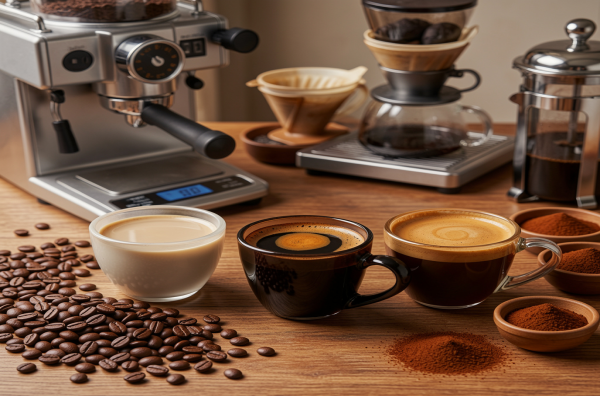
A French press produces a heavier cup than many paper-filter methods. If you need cleaner results go for a pour-over.
If your recipe is technically correct but you still want more body, choose a coffee with a naturally fuller profile. Highly rated decaf coffee is available at Blue Spruce Decaf. Their single origin coffee beans have created a huge fan base among decaf lovers.
How to fix the burnt taste from decaf espresso?
A burnt or smoky taste comes from a darker roast.
Roasting creates the flavors that dominate the cup. If you like sweetness or nutty flavors in your cup, then an extremely dark roast is not a good match for your palate.
Dark roasts are intentionally bold and but coffee tasting genuinely scorched means you are picking a different roast profile than your preference. If the bitterness overwhelms everything else, try a lighter or medium roast and compare.
How to fix the problem of inconsistent taste in decaf coffee?
You do not need to turn home coffee making into a laboratory. Just keep the important variables consistent enough that you can identify what actually changes the taste.
Once you have a recipe you like, write it down. Include the coffee dose, water amount, grind setting, and brewing time. That gives you something to return to when the next cup goes wrong.
Why Does My Decaf Coffee Taste Good Sometimes but Bad Other Times?
Unpredictable coffee taste is frustrating.
Stop trying to control every possible variable, focus on the ones that are easiest to repeat.
A consistent recipe gives you a baseline. From there, you can deliberately make one change and see whether it improves the cup.
Look for specialty coffee that gives you information about its origin, roast, and processing. A single-origin decaf can be a good place to start if you want to explore distinctive taste without any surprises.
Final thoughts
Good beans cannot compensate for every brewing mistake, but they can give you a much better starting point.
If you are constantly trying to fix your decaf, start with a specialty Swiss Water decaf from Blue Spruce Decaf. You may find the one that fits your preferred brewing method and flavor profile.